Understanding Gas Cookers: Every Aspect You Need to Know
Gas cookers have been a staple in home cooking areas for decades, prized for their speed and control in cooking. They provide instant heat, permitting cooks to change the flame rapidly and make accurate temperature modifications. This post looks into the numerous elements of gas cookers, consisting of types, advantages, safety ideas, maintenance, and often asked questions.
Table of Contents
- Intro to Gas Cookers
- Types of Gas Cookers
- 2.1 Free-standing Gas Cookers
- 2.2 Built-in Gas Cookers
- 2.3 Dual Fuel Cookers
- Advantages of Using Gas Cookers
- Safety Tips for Gas Cookers
- Maintenance and Care
- Frequently asked questions
- Conclusion
1. Intro to Gas Cookers
Gas cookers operate utilizing natural gas or melted petroleum gas (LPG) to power the burners. They are preferred by numerous chefs and home cooks for their performance and the level of control used while cooking. Unlike visit the next web page , which take some time to warm up and cool off, gas cookers provide immediate heat. This instant responsiveness makes them ideal for strategies that require accurate temperature level control, such as sautéing or simmering.
2. Types of Gas Cookers
Gas cookers come in various styles and performances. Here are the primary types that consumers encounter:
2.1 Free-standing Gas Cookers
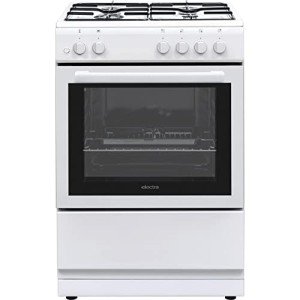
Free-standing gas cookers are versatile appliances that can suit any kitchen design. They typically include an oven combined with a cooktop, making them a complete cooking solution. These models come in numerous styles and surfaces, typically geared up with several burners to accommodate various cooking needs.
2.2 Built-in Gas Cookers
Built-in gas cookers, also understood as wall ovens, are designed to be installed into cabinetry. They provide a smooth and modern appearance, improving the general aesthetic appeals of a kitchen. These cookers can be gas-powered and provide the advantage of saving counter area while offering a devoted cooking area.
2.3 Dual Fuel Cookers
Dual fuel cookers integrate the benefits of gas and electricity. They generally include burner on the cooktop and an electrical oven. This configuration allows people to delight in the precision of gas cooking with the even heat circulation that electric ovens offer.
| Type of Cooker | Description |
|---|---|
| Free-standing Gas Cooker | Versatile and complete with an oven and cooktop. |
| Built-in Gas Cooker | Installed in kitchen cabinetry for a smooth and modern appearance. |
| Double Fuel Cooker | Integrates gas and electric features for flexibility and effectiveness. |
3. Advantages of Using Gas Cookers
Gas cookers continue to be popular for numerous factors:
- Instant Heat: Gas burners fire up instantly, providing immediate heat.
- Exact Temperature Control: Users can adjust the flame quickly, enabling better control over cooking.
- Economical: Natural gas is typically cheaper than electrical energy, leading to cost savings on utility expenses.
- Cooking Efficiency: Gas cookers typically warm faster than their electrical equivalents, reducing cooking times.
- Versatility: They are ideal for various cooking methods, consisting of frying, simmering, and baking.
4. Safety Tips for Gas Cookers
To guarantee safe use, gas cooker owners must stick to the following safety suggestions:
- Check for Leaks: Regularly inspect gas connections and pipes for leakages; any odor of gas should be taken seriously.
- Proper Ventilation: Ensure that the kitchen is well-ventilated to decrease the risk of gas buildup.
- Use Cookware Appropriate for Gas: Use pots and pans designed for gas cooking to avoid mishaps.
- Position Burners Properly: When cooking, prevent putting the flame too high, as it might lead to burns or ignition of flammable products.
- Regular Maintenance: Keep the burners tidy to enable for efficient combustion and avoid flare-ups.
5. Maintenance and Care
Taking care of a gas cooker lengthens its life and ensures safe operation. Here are some upkeep tips:
- Clean the Burners: Remove food particles and grease from burners routinely to preserve maximum efficiency.
- Examine Hoses and Connections: Check all gas connections for wear and tear and change malfunctioning pipes right away.
- Expert Servicing: Schedule annual examinations with a certified specialist to guarantee all components are functioning correctly.
- Keep the Area Around the Cooker Clear: Remove any clutter or flammable materials near the gas cooker to avoid mishaps.
6. FAQs
Q1: Can I use a gas cooker throughout a power outage?A1: Yes, gas cookers do not count on electrical power to function, permitting you to prepare even when the electrical power is out, provided the cooktop is by hand fired up with a match or lighter. Q2: Are gas cookers much safer than electrical cookers?A2: Both gas and electrical cookers come with their own
safety factors to consider. Nevertheless, gas cookers present a danger of gas leakages, while electric cookers might have issues such as electrical fires. Regular upkeep and awareness are vital for both. Q3: How frequently need to I clean my gas cooker?A3: It's recommended to clean your
gas cooker after every usage, especially the burners, to avoid food residues from obstructing the gas flow. Q4: Do gas cookers require unique cookware?A4: While basic pots and pans can be used, some gas cookers perform better with particular types of pots and pans, like those that distribute heat equally,
such as cast iron or stainless steel. Q5: What should I do if I smell gas?A5: If you smell gas, switch off the gas supply instantly, evacuate the area, and call your gas supplier or emergency situation services for
assistance. Do not use any electrical devices or ignite flames. 7. Conclusion Gas cookers are integral to fulfilling culinary aspirations by using fast heating and exact control. Understanding how they work, their different types, benefits, and precaution can boost a cook's
kitchen experience.
With routine maintenance and care, these home appliances can last for years, making them a valuable financial investment in any home. By following safety tips and standards, users can enjoy cooking with gas while decreasing the risks associated with it. Whether a budding cook or a seasoned chef, gas cookers remain a trustworthy choice in the kitchen.